
Compliance is essential for every healthcare project in New Zealand. Builders, architects, and project managers know that even small details, such as joinery hardware in NZ, can determine whether a facility passes inspection. Unfortunately, many teams only realise this after facing delays, failed audits, or costly rework.
At JB Joinery, we know that even the smallest fittings can affect compliance. This guide covers why hardware standards are important, what to look for, and how our process helps healthcare projects meet New Zealand’s strict requirements.
Healthcare spaces are different from other environments. Every surface, hinge, and handle is touched by people or equipment that must stay clean and safe. In these settings, joinery hardware in NZ is not just a finishing touch; it plays a key role in infection control.
If compliance is missed, the problems go beyond the project site. For example, a hospital ward might be delayed if drawer handles fail hygiene tests or cabinet joints can’t be cleaned properly. These small issues can quickly become major setbacks, costing time, money, and trust with clients and health authorities.
Compliance ensures every material and fitting supports patient care rather than causing problems. It is the foundation for any healthcare build or renovation focused on durability and safety.
We often hear from project teams who have inherited problems from previous contractors, like doors swelling from moisture, hinges corroding, or finishes failing hygiene inspections. These issues usually result from using non-compliant or low-quality hardware.
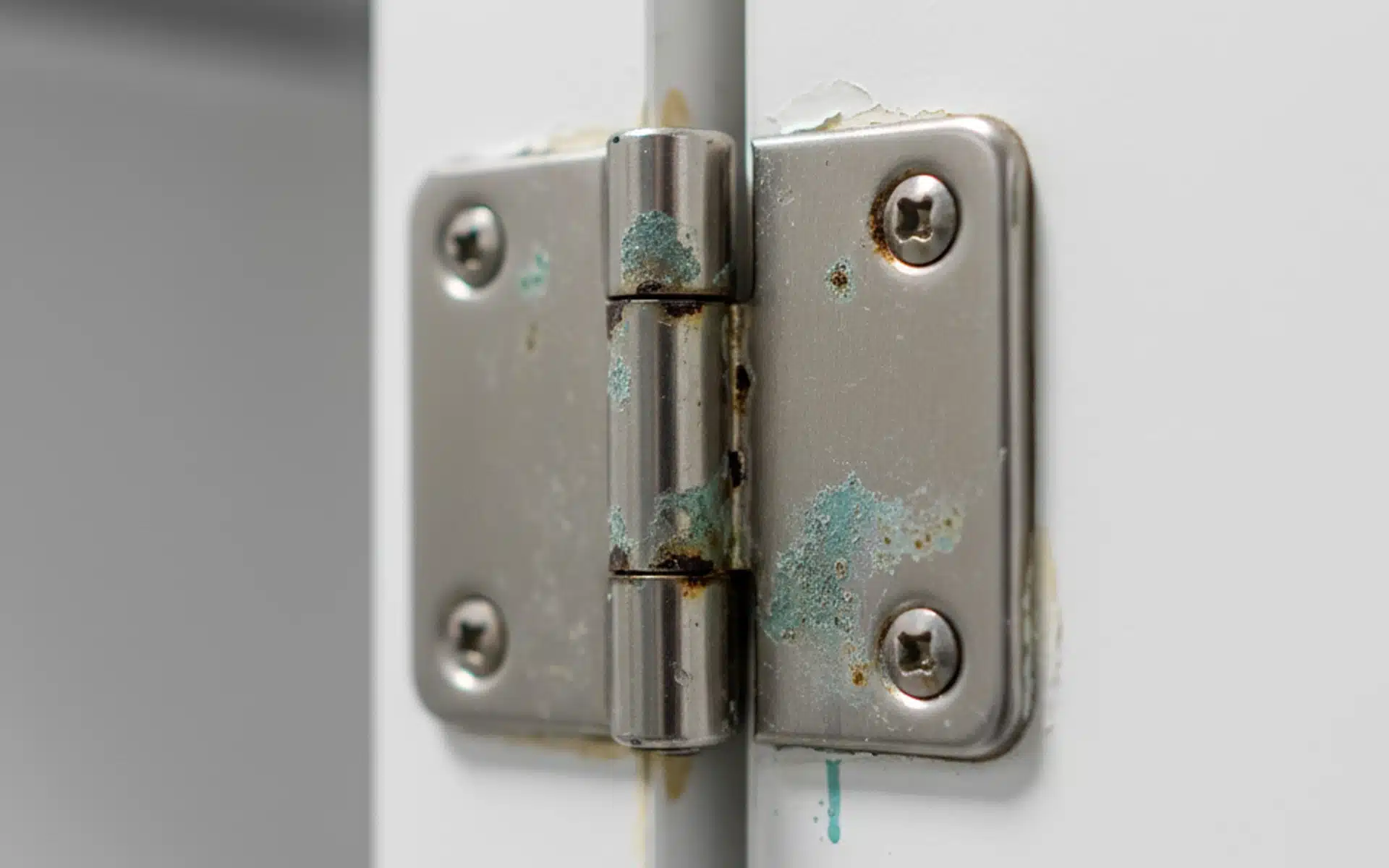
If hardware is not tested to New Zealand’s health standards, it can compromise the hygiene of the entire workspace. For example, a stainless-steel handle with poor sealing can trap bacteria, and a decorative laminate might look good but may not withstand cleaning chemicals. In healthcare joinery, function and safety matter more than appearance.
Non-compliance is rarely intentional. It often happens when teams are rushed or when they use suppliers with limited experience in medical projects. Involving qualified joinery specialists early can help prevent these problems.
In healthcare construction, “non-compliance” (failing to meet safety rules) is a massive problem. It isn’t as simple as just swapping out a few door handles.
If a project fails an inspection, it often triggers a domino effect:
Why It Matters in New Zealand: before any medical facility in NZ can treat patients, it must get a “green light” from health inspectors and local authorities. They are strict for a reason. Even a minor deviation from official plans can prevent a hospital from obtaining certification. This leads to stress, financial loss, and a damaged reputation for the builders involved.
Getting It Right the First Time. At JB Joinery, we often get called in to fix these emergencies. We frequently hear clients say, “We need this fixed right now, and it has to pass.”
Healthcare projects run on very tight deadlines. Using the wrong hardware might look like a shortcut, but it often puts the entire project at risk. It is always faster and cheaper to do it right the first time.
New Zealand’s healthcare standards set rules for both the materials used and their performance. Surfaces need to resist moisture, chemicals, and germs. Hardware should be easy to clean and not have gaps where dirt can collect.
The Ministry of Health and the Building Code set the main rules, but each project’s design and floor plan in NZ brings its own challenges. Whether it’s a hospital or a dental clinic, every fitout must meet both general building safety and specific healthcare hygiene requirements.
These rules might seem technical, but their main goal is to protect the people who use these spaces every day. When joinery parts meet standards, they help lower infection risk and make the space more durable, both are essential in healthcare.
Understanding what compliance looks like is half the challenge. In NZ, compliant joinery hardware is usually sealed, durable, and made for hygiene.
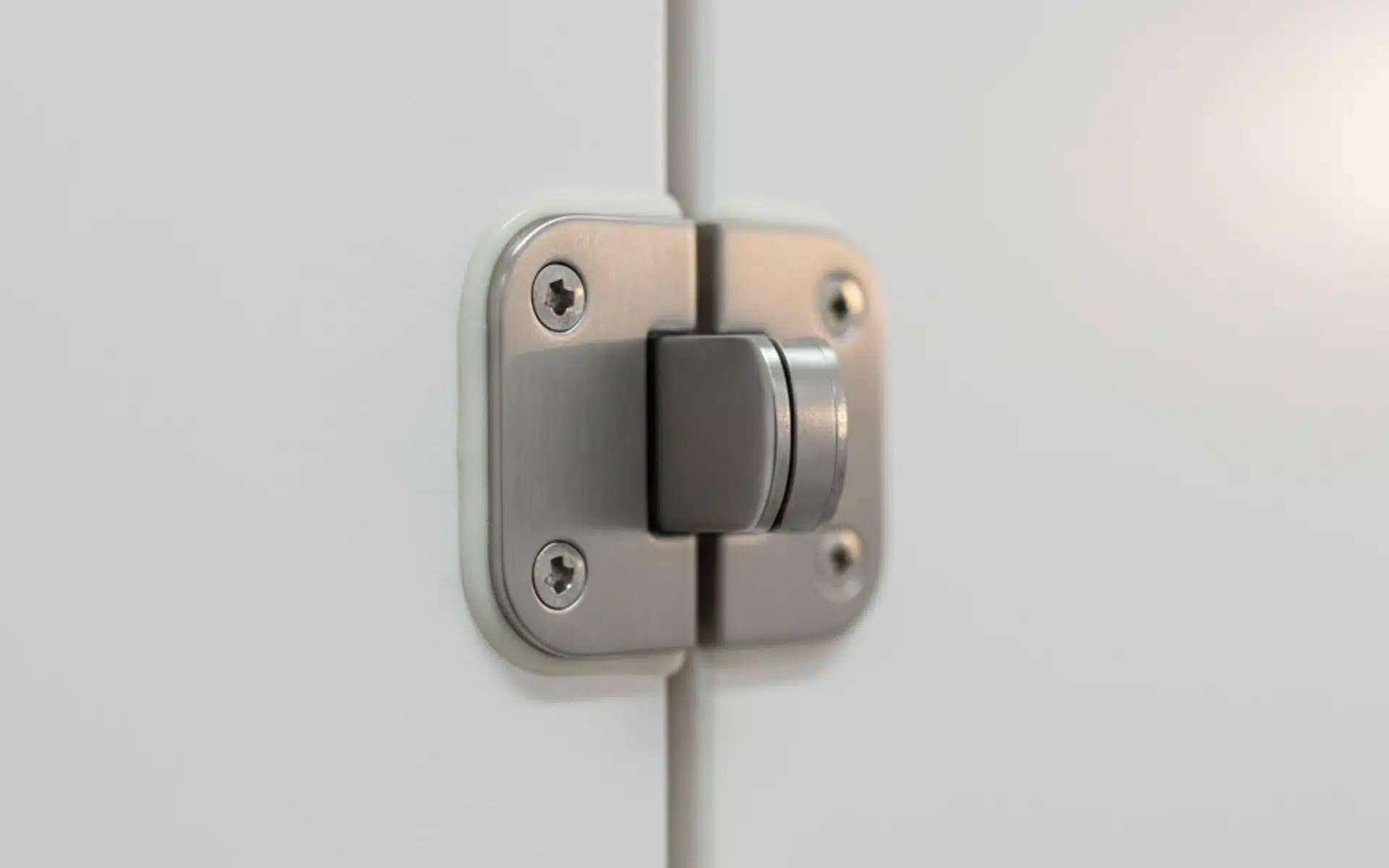
Healthcare-grade hardware uses smooth, non-porous materials that resist corrosion and can handle regular cleaning with hospital disinfectants. Small details like rounded corners, sealed joints, and flush fittings help prevent the buildup of bacteria and dust.
Healthcare hardware should also have non-toxic finishes. Using non-toxic cabinet hardware and antimicrobial coatings helps keep sensitive areas clean. Choosing these options is not just for passing audits; it supports long-term infection control.
Choosing the right joinery hardware in NZ doesn’t have to be difficult. By following a straightforward process, you can ensure compliance from design to installation.
Before procurement, check that all hardware meets the Ministry of Health and Building Code guidelines. Ask for compliance certificates or performance data.
In NZ, stainless steel, medical-grade laminates, and antimicrobial cabinet handles are top choices. These materials are strong, easy to clean, and help keep surfaces sterile.
Choose joinery manufacturers with experience in health-sector projects. Their compliance expertise can save you time and reduce your risk.
Keep clear records of specifications, certificates, and installation notes. Good documentation helps speed up audit approvals later.
A well-planned selection process builds trust among everyone involved, from designers to facility managers, and makes sure every fitting helps create a safe environment.
Several national standards and codes guide the design and installation of joinery hardware in NZ healthcare settings. The most important are the Ministry of Health’s Design and Construction Guidelines for Healthcare Facilities and the New Zealand Building Code’s rules for materials, durability, and hygiene.
These standards are required. They set the rules for materials, surface finishes, and installation methods. For example, hardware in sterilisation or patient-care areas must resist rust, moisture, and cleaning chemicals. Edges must be sealed, and surfaces should remain smooth to prevent germs from growing. When builders and architects follow these standards from the start, they can avoid last-minute design changes and inspection delays.
Experienced joinery specialists offer more than just craftsmanship; they bring planning and foresight. Getting their input early helps align materials, finishes, and joinery systems with compliance requirements before manufacturing begins.
If specialists are involved from the design stage, they can review drawings and suggest where changes might be needed. For example, they may recommend replacing decorative finishes with compliant ones or adjusting layouts to make cleaning easier.
JB Joinery’s healthcare team works closely with architects and project managers at every stage. Our process makes sure no detail is missed, from choosing adhesives to placing hinges, because every choice affects compliance.
Even experienced project teams can make avoidable mistakes when choosing hardware for healthcare spaces. Common errors include selecting decorative finishes that cannot handle cleaning chemicals or using imported materials without proper testing certificates.
Another common problem is failing to consider how staff will use the space every day. A handle that looks good on paper might not withstand constant cleaning or heavy use in a hospital corridor.
To avoid these problems, work with teams that understand the standards and how healthcare spaces operate. Choosing tested and approved joinery hardware for New Zealand healthcare facilities lowers the risk of design failure and compliance issues.
At JB Joinery, compliance is part of every step, not just a final check. We start by reviewing plans to look for material, layout, and compliance gaps. Then, our in-house team manufactures all components with strict quality control to ensure consistency and accuracy.
We inspect each project several times during and after production. Hardware is checked for finish quality, fit, and compliance with health standards. By controlling the whole production process, we reduce errors and deliver joinery that passes inspection and stands up to daily use.
Our experience with hospitals, labs, and clinics helps us spot compliance issues before they happen. Clients come back to us because they trust our reliability, not guesswork.
Here’s a simple checklist to help you verify compliance before installation:
Taking this practical step helps ensure your joinery passes inspection the first time, without extra work or delays.
JB Joinery has provided compliant joinery solutions for hospitals, labs, and aged-care centres across New Zealand. We have experience with complex fitouts where hygiene, durability, and looks all matter.
Clients trust us because we combine engineering precision with real-world knowledge of healthcare spaces. Every piece of joinery, from treatment room cabinets to reception desks, is made to support staff, patients, and inspectors.
Our projects prove that compliance and creativity can work together when the right team is in charge.
Choosing compliant joinery hardware in NZ doesn’t have to be hard, but it does take expertise. The right partner can mean the difference between a smooth inspection and expensive rework.
JB Joinery brings together design knowledge, precise manufacturing, and compliance expertise. We help builders, architects, and project managers get reliable results without compromise.
Every choice, from non-toxic cabinet hardware to sealed surfaces and antimicrobial finishes, supports safety and durability. When compliance is built into your joinery, you can be confident your project will pass inspection and last over time.
For healthcare projects that need precision and trust, JB Joinery is your proven partner. We create joinery that meets standards, supports safety, and performs where it matters most.
© 2026 | JB Joinery | All Rights reserved | Designed by 