
Upgrading your kitchen, doors, or windows can be a lot to take in with so many hardware choices. You want hardware that looks good and works well every day. The right joinery hardware helps your cabinets, doors, and windows open and close smoothly and last longer.
At JB Joinery, we help homeowners, designers, and builders across New Zealand choose the right handles, hinges, runners, and fittings for their projects. This guide breaks the process into simple steps, so you can make confident choices and avoid common mistakes.
Joinery hardware does more than just look good. It affects how smoothly your drawers glide, how your doors close, and how well your windows seal. Poor-quality hinges can sag or squeak, handles can come loose, and runners can break with regular use. If you have ever struggled with sticky drawers or doors that won’t stay closed, you know how frustrating it can be.
Quality hardware brings real benefits:
Investing in better fittings lowers the risk of needing repairs or replacements in the future.
Before picking any handles or hinges, think about what you need the hardware to do. This quick checklist can save you time and help you avoid mismatched parts during installation.
If you are not sure, ask for advice early. A quick conversation can help you avoid expensive changes later on.
Your hardware should match your home’s style. Aim for a look that fits while still working well.
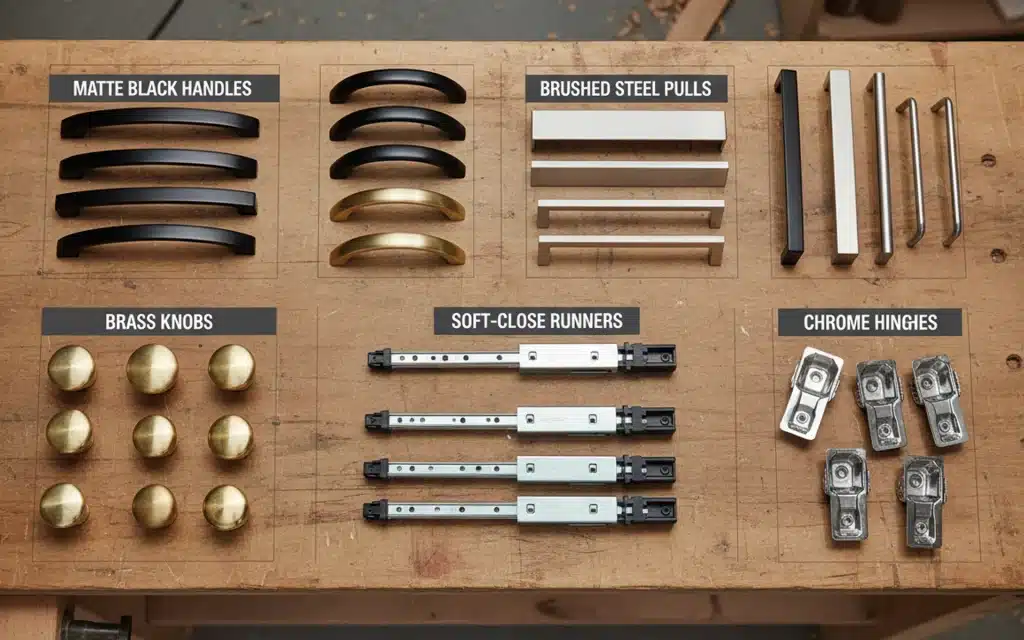
Modern homes often suit clean lines and simple finishes. You will see matte black, brushed steel, and concealed hinges used often. Classic homes, including villas, tend to suit traditional shapes and warmer finishes such as brass or brushed nickel.
Architectural homes often need a more custom approach. Bigger doors, bold timber, and unique details can put extra strain on hinges and fittings. In these cases, working with an expert ensures the hardware supports the design instead of causing problems.
Kitchens see a lot of daily use. Drawers are filled, doors are opened often, and spills and steam happen regularly. That’s why kitchen joinery hardware should be strong and easy to use.
When selecting kitchen hardware, consider:
If you want the kitchen to feel calmer to use, focus on smooth movement and solid fittings. Those details have a bigger impact than most people expect.
New Zealand conditions can be hard on joinery hardware. Coastal areas can speed up corrosion. Bathrooms and laundries add humidity. Busy family homes and rentals create constant wear.
Good installation also matters here. Even strong hardware can fail early if it is installed poorly or misaligned.
The finish you choose changes the feel of the whole space. It can also be the detail that brings your kitchen, doors, and joinery together.
Common finish options include:
To pick the right finish, consider your benchtops, splashbacks, flooring, and tapware. You can match tones for aconsistent look or use contrasting finishes to make the hardware stand out.
Joinery hardware has come a long way in recent years. Even small upgrades can make your space feel better every day.
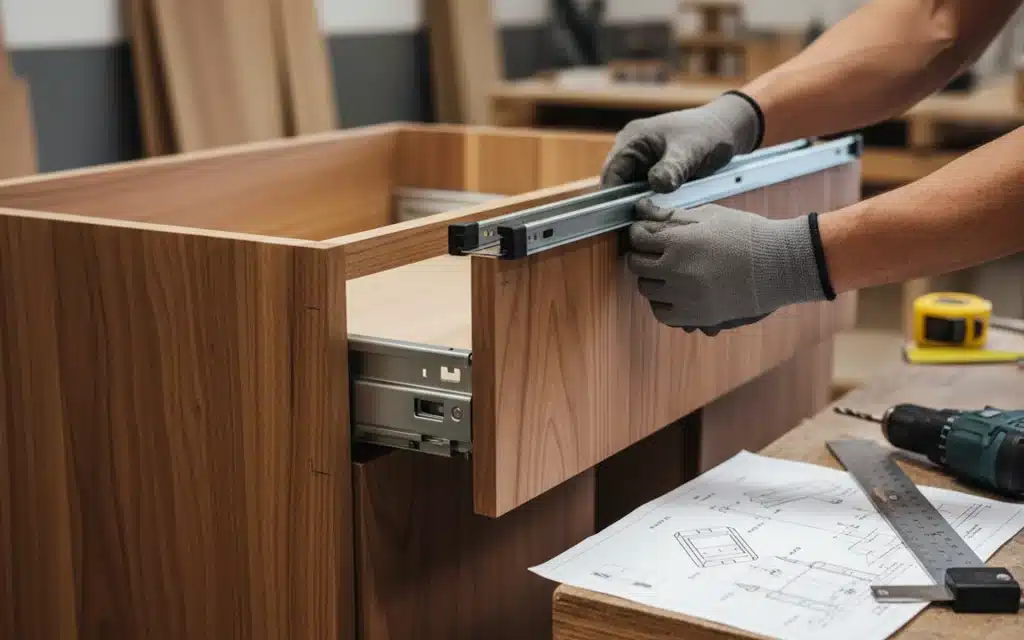
Useful features include:
When you choose features, think about real use. Ask who uses the space, how often, and what frustrates them now.
Hardware helps doors and windows close properly, but it is just one part of the picture. True energy performance depends on good joinery design, proper seals, and correct installation. Still, choosing the right hardware is important.
For windows and exterior doors, look for hardware that supports:
This is where good specification matters. When the right hardware pairs with good seals and correct alignment, the whole system performs better.
You do not have to replace all your cabinets to refresh your kitchen. Updating the hardware can make a big difference for less money and less hassle.
Replacing old handles, hinges, and runners can improve:
We often see older kitchens improve quickly with new runners and soft-close hinges. It is a practical way to lift usability without tearing the whole space apart.
Most hardware problems come from small mistakes that are easy to avoid.
Common mistakes include:
A bit of planning can save you money and prevent headaches during installation.
The hardware you choose affects both installation time and the final look. Getting the right details sorted early makes the job go more smoothly and gives a better finish.
At JB Joinery, we help you pick hardware that fits your joinery design, your space, and how you use it. We also give advice on practical details like where to put hinges, what runner ratings to use, and how to match finishes. This helps avoid changes on-site and keeps your project running smoothly.
The right joinery hardware makes your kitchen, doors, and windows easier to use and more enjoyable. Handles, hinges, runners, and finishes may seem like small details, but they shape how you experience your space every day.
If you need help choosing hardware for your project, JB Joinery is here for you. We work with homeowners, designers, and builders across New Zealand, focusing on hardware that works well and installs easily.
1. What are the signs a school fitout wasn’t designed for students?
The signs show up fast as noise, damage, and daily wear in high-use areas like doors, cabinetry, timber edges, storage, and cleaning zones.
Cleaning takes longer because surfaces trap dust and grime in awkward joins
2. How do fitouts for schools differ from standard commercial fitouts?
School fitouts need education-specific compliance and durability, because “commercial-grade” joinery can fail under real student use. This article highlights requirements like fire-retardant materials, height guidelines, and safe clearances for built-in cabinetry.
3. What should schools look for when planning an education fitout?
Schools should plan for student behaviour, heavy daily use, and education compliance so the joinery lasts and stays easy to maintain.
Basic compliance checks, including fire-retardant and safety requirements
© 2026 | JB Joinery | All Rights reserved | Designed by 